
Understanding the Psychology of Bluffing
Bluffing in poker is not just about the cards you hold; it’s deeply rooted in psychology. The essence of a successful bluff lies in your ability to read opponents and understand their tendencies. Players often give away subtle cues through body language and facial expressions. For instance, if an opponent fidgets or shows signs of nervousness after a large bet, they might be uncertain about their hand, which is similar to what you might experience at an instant withdrawal casino australia real money where quick decisions can lead to significant outcomes. This presents an opportunity for you to capitalize on their discomfort by bluffing effectively.
Moreover, confidence plays a crucial role in the effectiveness of a bluff. A player who projects assurance and composure is more likely to convince their opponents that they hold a strong hand. This involves maintaining a steady demeanor and avoiding any signs of hesitance, such as erratic behavior or inconsistent betting patterns. Understanding this psychological aspect can help elevate your bluffing strategy, making your opponents doubt their own judgment.
Lastly, it’s essential to recognize that bluffing is a strategic tool and should be employed judiciously. Mastering when to bluff requires a solid grasp of the game dynamics, including table position and the playing style of your opponents. If you choose to bluff too frequently, it can backfire, diminishing your credibility. Conversely, an occasional well-timed bluff can yield great rewards, keeping your opponents guessing and potentially leading them to fold even strong hands.
Recognizing the Right Moments to Bluff
Timing is everything in poker, especially when it comes to bluffing. Identifying the right moments to execute a bluff can significantly affect your overall success at the table. A common scenario for a successful bluff occurs when the board presents a draw-heavy situation, suggesting possible stronger hands that you may or may not hold. For instance, if the community cards show two hearts and a queen, with a confident expression and strategic betting, you could convince your opponents that you have completed a flush, prompting them to fold.
Another prime opportunity arises when you find yourself in a late position. If the action has checked around to you, it gives you leverage to represent strength. By making a substantial bet in such a scenario, you can often force weaker hands to fold, allowing you to claim the pot without contest. Reading your opponents’ actions prior to your turn can provide insight into whether they might hold onto their cards or if a bluff may scare them off.

Additionally, bluffing becomes more effective when your opponents are exhibiting tight play. Players who typically play conservatively are less likely to gamble with weak hands, making them prime targets for a well-executed bluff. Knowing your table dynamics and understanding who is more prone to folding under pressure can help you capitalize on these situations, adding another layer of strategy to your game.
The Techniques of Effective Bluffing
Mastering effective bluffing techniques is vital for any poker player aiming to dominate the game. One popular method is the semi-bluff, which involves betting or raising with a draw. This strategy allows you to maintain a chance of winning the hand if your opponent calls, as you may improve to a stronger hand. For example, if you have a flush draw, betting aggressively can double as a bluff while still leaving the door open for a potential win if you hit your cards.
Another technique involves the concept of “table image”. Building a strong table image as a competent and aggressive player can bolster the effectiveness of your bluffs. If your opponents view you as a solid player, they are more likely to respect your bets and may fold when you apply pressure. Conversely, if you have a weak table image, your bluffs may not be taken seriously, leading to more calls and less success.
Additionally, varying your betting patterns can enhance your bluffing game. Consistently betting the same amounts can make your strategy predictable, lessening the impact of your bluffs. Mixing up your bet sizes allows for a more nuanced approach, making it harder for opponents to discern when you are bluffing or holding a strong hand. This unpredictability is key to maintaining an edge at the poker table and ensuring that your bluffs are more effective.
The Consequences of Bluffing
While bluffing can be a powerful tool, it is not without its risks. One significant consequence of a failed bluff is the potential loss of chips. If an opponent calls your bluff and shows a better hand, you not only forfeit the pot but may also alter the dynamics at the table. This loss can create a ripple effect, leading to a more cautious approach in your subsequent plays, which can stifle your overall strategy.
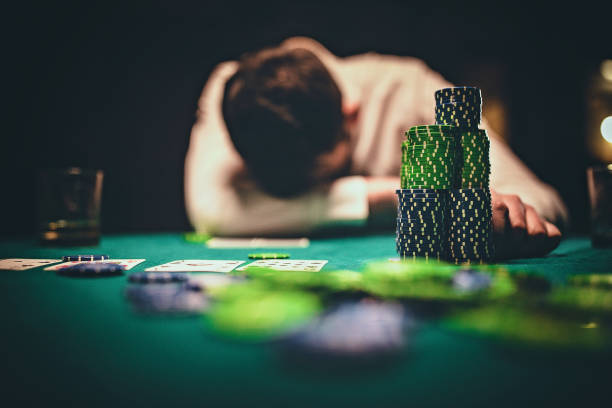
Moreover, frequent bluffing can affect your table image adversely. If players catch on to your bluffing tendencies, they may become less likely to fold, making it increasingly challenging to bluff successfully in the future. Building a reputation as a habitual bluffer can erode your credibility, ultimately hindering your ability to execute effective bluffs when they are truly needed.
Finally, the emotional toll of bluffing should not be overlooked. Successfully pulling off a bluff can elevate your confidence, while being caught in a bluff may lead to frustration and self-doubt. Managing these emotions is crucial to maintaining a steady mindset in the game. Keeping your composure allows you to focus on strategy rather than getting wrapped up in individual hands, thus ensuring a consistent performance regardless of the outcomes of your bluffs.
Exploring Additional Resources and Insights
For those looking to deepen their understanding and skills in bluffing, there are numerous resources available to enhance your poker knowledge. Books written by experienced players can offer valuable insights into advanced bluffing strategies, helping you grasp the nuances of psychology and timing that are essential for effective play. Additionally, online forums and videos can provide practical examples and discussions, facilitating a more interactive learning experience.
Participating in poker seminars or workshops can also be incredibly beneficial. Engaging with seasoned professionals and fellow enthusiasts allows for the exchange of ideas and strategies, offering different perspectives on bluffing techniques. Practicing your skills in live settings or online is crucial to solidifying your understanding and honing your craft. The more hands you play, the better equipped you become at recognizing the right moments and methods for bluffing.
Lastly, consider utilizing practice tools and simulations that allow you to refine your bluffing tactics without the pressure of a live table. These resources can help you experiment with different situations and increase your confidence when it comes to implementing bluffing strategies in actual games. Mastering the art of bluffing is an ongoing journey, and the right resources can significantly accelerate your progress toward becoming a proficient player.